



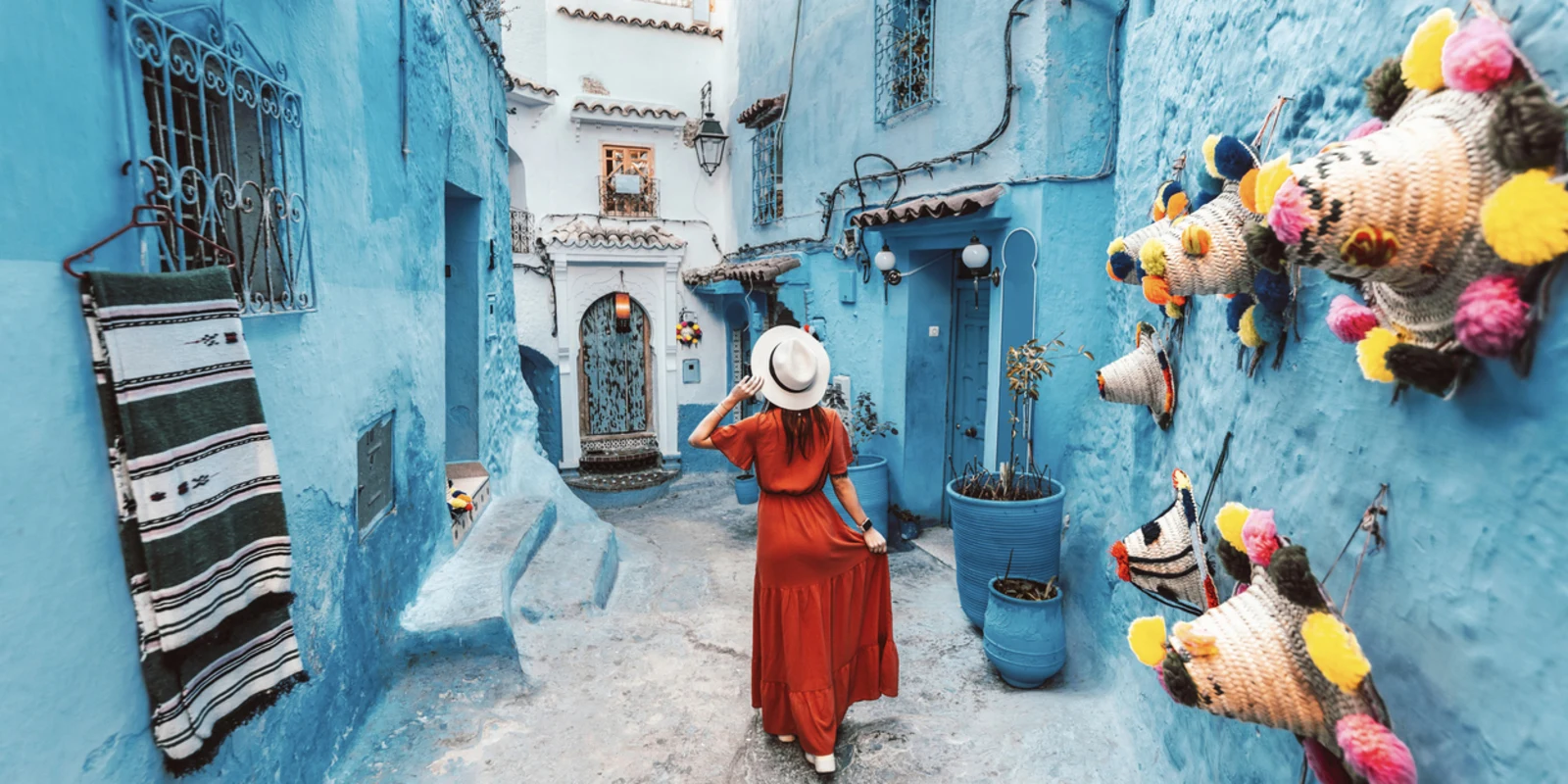
Morocco is not a place you simply see. It is a place you smell, taste, hear, and feel. I arrived in Marrakech for a long weekend getaway expecting pretty photos, and I left with my senses completely rearranged. If you have just 72 hours, maybe a layover stretched into a proper trip, this is how to do Morocco right, and it is perfect for first-time visitors. Instead of a dry checklist, let me walk you through the best things to do in Morocco the way I actually experienced it, one sense at a time.
I based myself in Marrakech, the country's Red City, because it packs all of Morocco into one place.
My 3 days in Marrakech, at a glance:
Day 1: The medina, Jemaa el-Fnaa, and the souks
Day 2: Palaces, gardens, and a steamy hammam
Day 3: A camel ride and sunset in the Agafay Desert
Now, let me take you through the senses.
Sight: A Feast of Colour
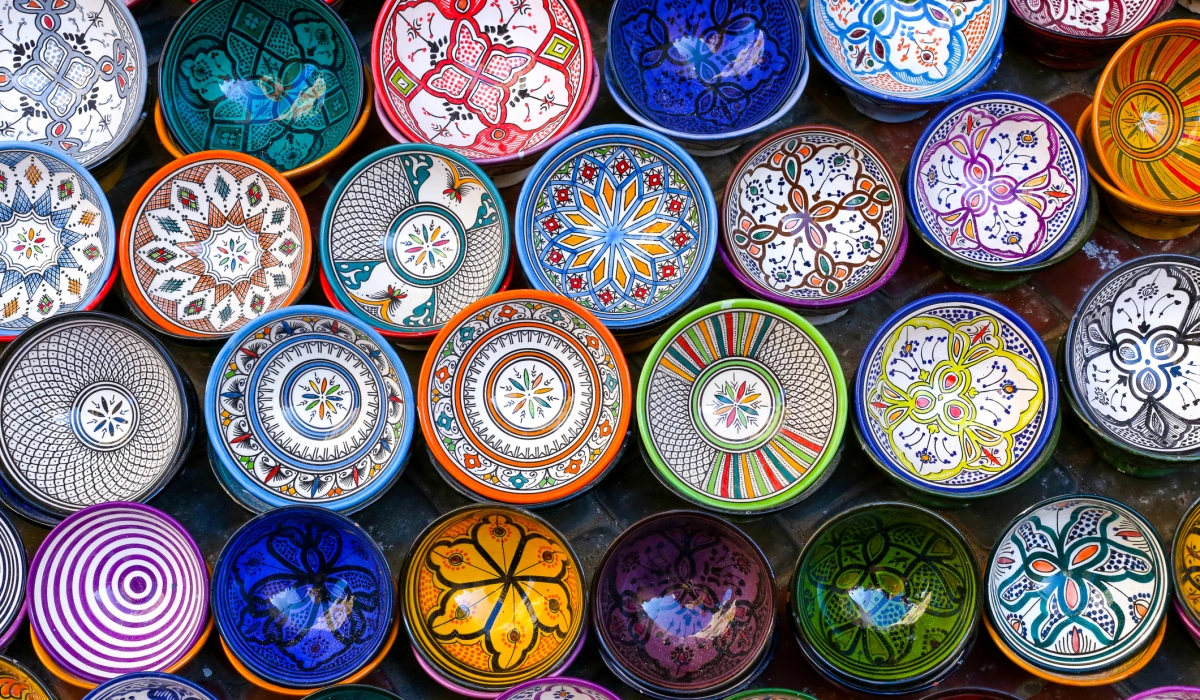
The first thing that hits you in Morocco is the colour. It is everywhere, and it is glorious.
What stole my eyes:
. The colourful Marrakech souks
. Blue alleys and cobalt gardens
. Desert sunsets that set the sky on fire
I spent my first morning happily lost in the Medina, Marrakech's ancient walled old town, where every doorway frames another photo. Wandering the Marrakech souks, a maze of stalls stacked with lanterns, carpets, and spices, is one of the most classic things to do in Marrakech. From there I stood beneath the soaring Koutoubia Mosque, the city's most famous landmark. The tilework at the Bahia Palace and the Ben Youssef Madrasa genuinely made me gasp, and the ruins of El Badi Palace, now home to nesting storks, were beautifully wild.
For a hit of cobalt blue, the Jardin Majorelle, once owned by Yves Saint Laurent, is pure eye candy, and the hidden Le Jardin Secret is a calm green pause inside the medina. Morocco's famous blue alleys live up north in Chefchaouen, and the golden film-set village of Ait Benhaddou near Ouarzazate is a longer drive, so I saved both for a future trip. But nothing beat my final evening: a desert sunset over the Agafay Desert, with the sky melting from gold to pink.
Sound: The City's Heartbeat
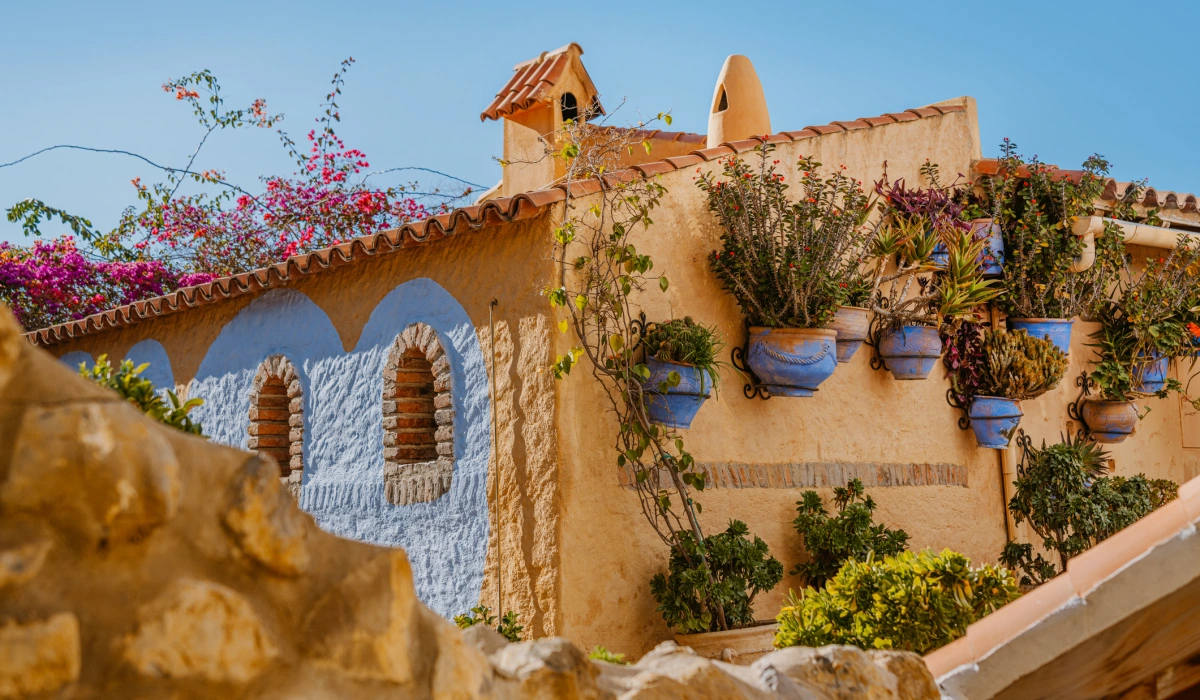
Close your eyes in Marrakech and the city tells you exactly where you are.
What filled my ears:
. The call to prayer drifting over the rooftops
. The happy chaos of market chatter
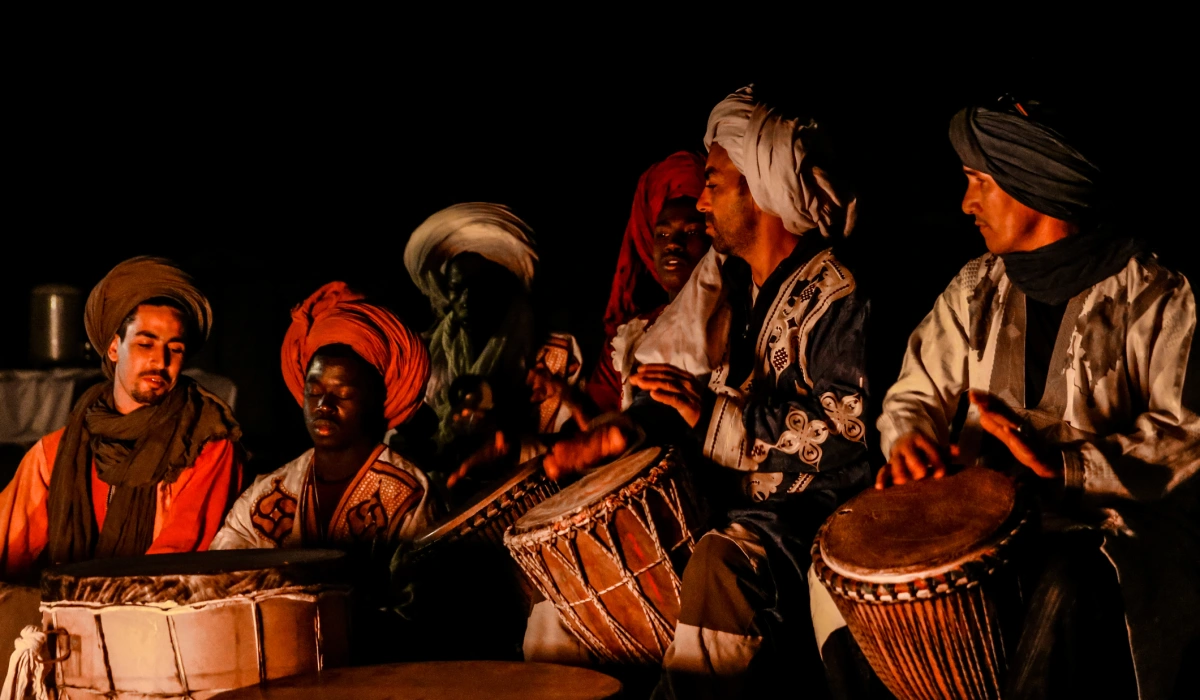
. Hypnotic Gnawa music after dark
Five times a day, the call to prayer rises from the Koutoubia Mosque and echoes across the medina, and it never stopped giving me goosebumps. By day, the soundtrack is pure market chatter: shopkeepers calling out, scooters beeping, and the clink of metalworkers in the souks. But the magic peaks at night in Jemaa el-Fnaa, the legendary main square. As the sun drops, it turns into an open-air carnival of storytellers, drummers, and soulful Gnawa music, a Berber sound that gets right into your chest. I just found a rooftop terrace, ordered a drink, and let it all wash over me.
Taste: Morocco on a Plate
I came for the sights and stayed for the food. Moroccan cooking is warm, generous, and deeply comforting.
What I could not stop eating:
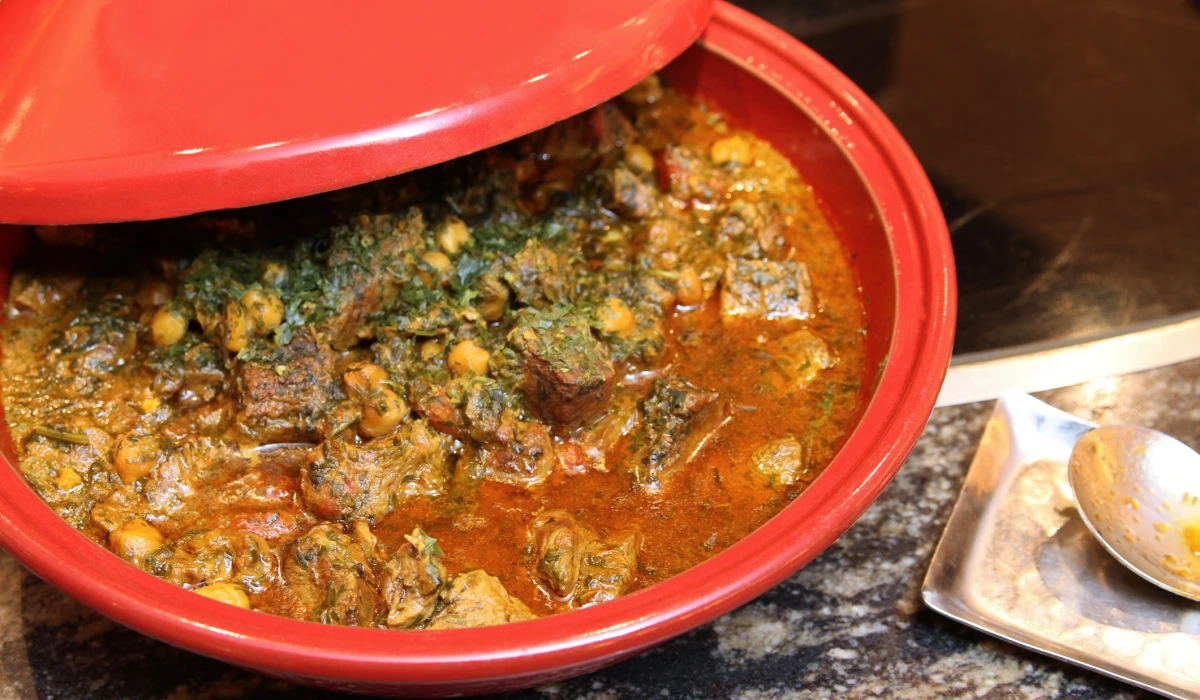
. A bubbling, slow-cooked tagine
. Endless glasses of sweet mint tea
. Fresh pastries and street-stall treats
My favourite meal was a lamb tagine, slow-cooked with apricots and almonds until it fell apart, scooped up with warm bread. I warmed up on cooler evenings with harira, a hearty tomato and lentil soup, and started every day with flaky Moroccan pastries. And then there is mint tea, poured from a great height into tiny glasses, sweet and refreshing and offered absolutely everywhere. For the full experience, eat dinner on a riad rooftop terrace as the sun goes down. A quick street-food crawl through Jemaa el-Fnaa is one of the best things to do in Morocco for hungry travellers.
Touch: The Art of the Handmade
Morocco is a country you reach out and touch. Almost everything here is made by hand, and you feel it.
What I loved getting my hands on:
. Thick, handmade Berber carpets
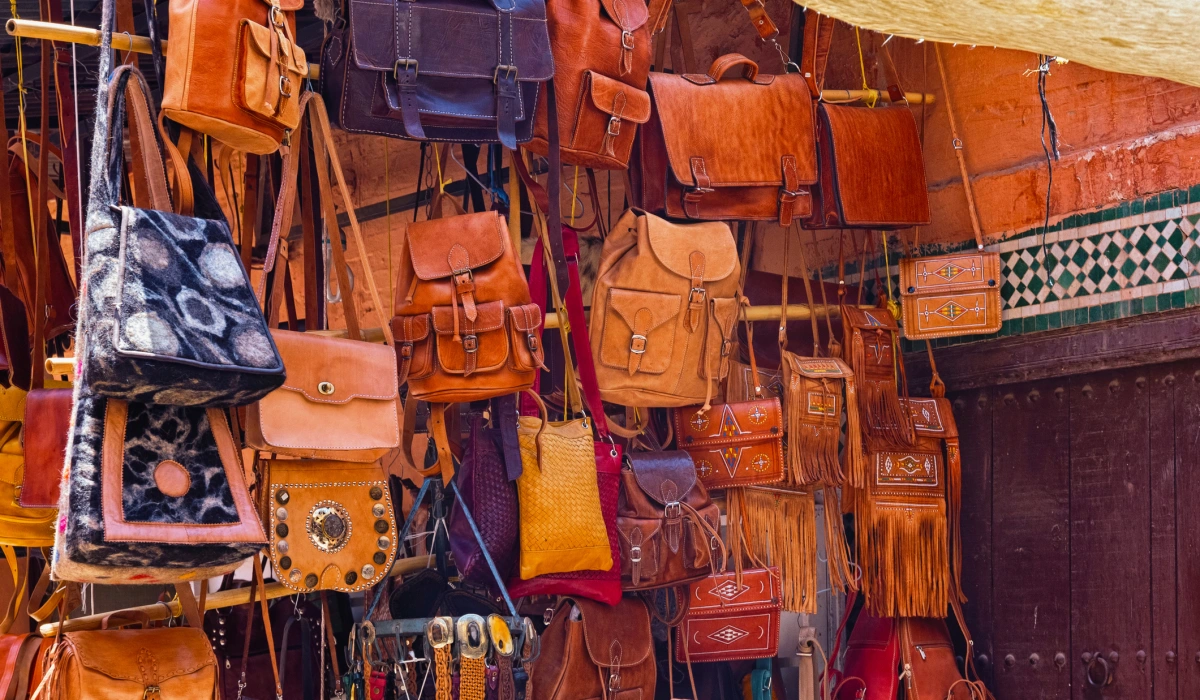
. Buttery soft leather goods
. Centuries-old traditional craftsmanship
In the souks I ran my hands over piles of handmade Berber carpets, each one knotted over weeks and full of meaning. I bargained (badly) for soft leather slippers and bags, the kind the city of Fes is famous for. Watching the craftsmen at work, hammering brass, carving wood, and weaving thread, you realise that craftsmanship here is a living tradition, not a tourist show. The most surprising touch of all was the hammam, a traditional steam bath where you are scrubbed head to toe until your skin squeaks, and I walked out feeling brand new. And on day three, the rough warmth of the saddle blanket on a sunset camel ride was a feeling I will never forget.
Smell: The Scent of Morocco
If I close my eyes now, I can still smell Marrakech. Scent is the sense that brings the whole trip flooding back.
What lingered in my memory:
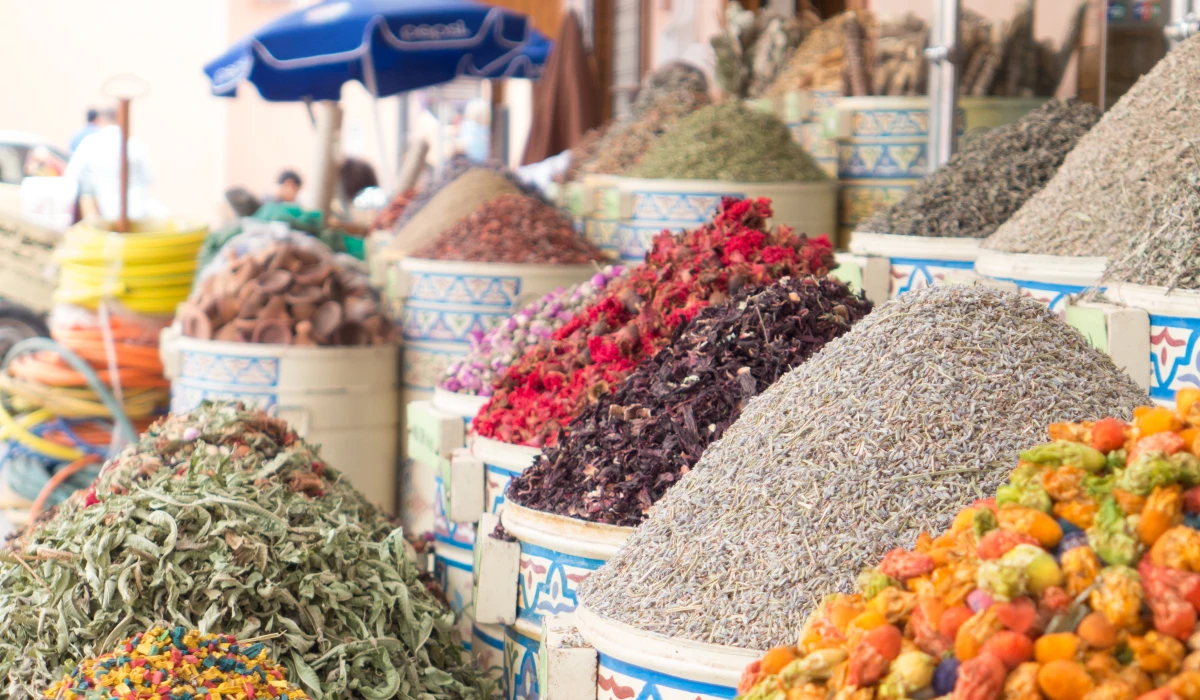
. Mountains of fragrant spices
. Sweet orange blossoms
. Warm cedarwood workshops
The spice stalls in the souks are a riot for the nose: saffron, cumin, cinnamon, and rose petals piled into bright pyramids. In spring, the city's orange trees fill the air with orange blossom, soft and sweet. Step into a carpenter's workshop and you get the warm, woody hit of cedarwood. Step into an apothecary and it is nutty argan oil, which Morocco is famous for and which ends up in everything from cooking to skincare. These smells are Morocco bottled, and they are half the reason the country stays with you.
Best Time to Visit Morocco
The best time to visit Morocco is spring (March to May) and autumn (September to November), when the weather is warm and comfortable for exploring Marrakech, the souks, and the desert. Winter days are mild and sunny, making it a favourite winter-sun escape, though desert nights get cold, which is perfect for stargazing under a blanket. I would avoid the peak summer heat of June to August, when Marrakech can be seriously hot.
FAQs
Money: The currency is the Moroccan dirham (MAD), a closed currency you can only get once you arrive. Carry cash for the souks, where a little bartering is expected and part of the fun.
Where to stay: Book a riad, a traditional courtyard house, inside the medina for the most atmospheric stay.
Getting around: The medina is best explored on foot. For the airport and any day trips, a private transfer with a local driver is easy and stress-free.
Dress and respect: Morocco is conservative and friendly, so cover shoulders and knees, and always ask before photographing people.
FAQs:
Q1:What are the best things to do in Morocco in 3 days?
With 72 hours, base yourself in Marrakech. Get lost in the Medina and the Marrakech souks, visit the Bahia Palace, Ben Youssef Madrasa, and Jardin Majorelle, and experience Jemaa el-Fnaa at sunset. Save your last day for a camel ride and sunset in the Agafay Desert. Along the way, eat plenty of tagine, sip mint tea, and treat yourself to a hammam.
Q2: Is 3 days enough time in Morocco?
Yes, three days is enough to fall in love with Morocco if you stay in Marrakech. You can cover the medina, the palaces, the gardens, and a desert escape. If you have longer, you can add an Atlas Mountains day trip, the coast at Essaouira, the old city of Fes, or the blue alleys of Chefchaouen.
Q3:When is the best time to visit Morocco?
The best time to visit Morocco is spring (March to May) and autumn (September to November), when the weather is pleasant for sightseeing and the desert. Winter is mild and good for winter sun, while summer can be very hot in Marrakech and the Sahara.
Q4 :Can you visit the Sahara desert from Marrakech in 3 days?
The real Sahara dunes near Merzouga are about two days of driving each way, so a full Sahara desert tour does not fit a 3-day trip. For a short stay, the Agafay Desert near Marrakech gives you rolling dunes, a camel ride, a Berber camp, and incredible stargazing, all in a single day.
Q5 :How much does a trip to Morocco cost for 3 days?
A 3-day trip to Marrakech varies by style. Budget travellers can manage on around 50 to 90 US dollars a day, while mid-range visitors spend roughly 120 to 250 US dollars a day including a riad, food, transfers, and activities. A guided package with a desert camp and day trips offers great value and easy planning.
Why Morocco Stays With You
Three days later, I flew home with sand in my shoes and spices in my suitcase, and I realised Morocco had not just shown me things, it had touched every one of my senses. The colours of the souks, the call to prayer, the taste of mint tea, the feel of a handmade carpet, the smell of cedarwood and orange blossom. That is the secret of this country. Long after the photos fade, Morocco stays with you as a feeling. If 72 hours is all you have, spend them here, and come ready to use all five senses.
Join the discussion